As we delve into the realm of remote work and the evolution of digital lifestyle, we uncover a fascinating journey marked by technological advancements and changing work dynamics. This exploration promises to shed light on the interconnectedness of modern work practices and digital living, offering insights that resonate with our current societal landscape.
Evolution of Digital Lifestyle
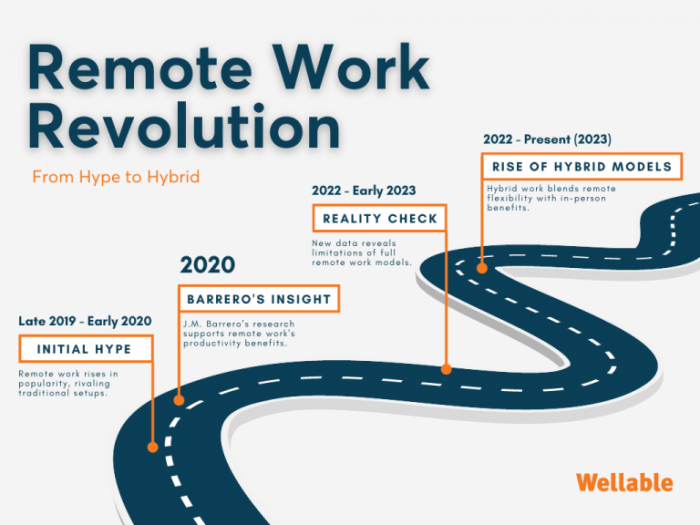
In the context of remote work, the digital lifestyle refers to the way individuals integrate technology into their daily routines to work, communicate, and manage tasks efficiently from any location. This shift has been accelerated by the rise of remote work, where people can perform their jobs remotely using digital tools and technologies.
Impact of Remote Work on Digital Lifestyle
- The adoption of video conferencing platforms like Zoom and Microsoft Teams has revolutionized how remote workers collaborate and communicate in real-time.
- Cloud storage services such as Google Drive and Dropbox have enabled seamless access to files and documents from anywhere, promoting flexibility and productivity.
- Project management tools like Trello and Asana have streamlined task organization and delegation, ensuring efficient workflows even when team members are not physically present.
Enhanced Connectivity and Flexibility
- Mobile apps and wearable devices have allowed individuals to stay connected and productive on the go, blurring the lines between work and personal life.
- Virtual private networks (VPNs) have provided secure access to company networks, ensuring data privacy and protection for remote workers.
- Social media platforms have facilitated networking and professional development opportunities, enhancing the digital lifestyle of remote workers.
Integration of Smart Home Devices
- Smart home devices like smart speakers, thermostats, and lighting systems can be controlled remotely, offering convenience and energy efficiency to individuals working from home.
- Automation tools and AI assistants have simplified routine tasks, freeing up time for remote workers to focus on high-value projects and personal activities.
- Health and wellness apps have promoted work-life balance by providing reminders for breaks, exercise routines, and stress management techniques, contributing to a holistic digital lifestyle.
Benefits of Remote Work
Remote work offers numerous advantages for both individuals and organizations. It has become increasingly popular due to the flexibility and convenience it provides to employees and employers alike. Let's explore some of the key benefits of remote work below:
Work-life Balance
Remote work allows employees to create a better balance between their personal and professional lives. By eliminating the need for long commutes and providing the flexibility to work from home, employees can spend more time with their families, pursue hobbies, and take care of personal responsibilities.
This balance leads to increased job satisfaction and overall well-being.
Productivity
Contrary to common misconceptions, remote work often leads to higher levels of productivity. Without the distractions of a traditional office setting, employees can focus better on their tasks and complete them efficiently. Additionally, the ability to work during their most productive hours, whether early in the morning or late at night, allows employees to optimize their work output.
Flexibility
Remote work offers unparalleled flexibility to employees. They can choose where they work from, whether it's their home, a co-working space, or a coffee shop. This flexibility not only enhances employee satisfaction but also enables individuals to work in environments that are conducive to their productivity and creativity.
Employee Satisfaction and Well-being
Remote work contributes significantly to employee satisfaction and well-being. By providing autonomy and trust to employees, organizations foster a positive work culture that values work-life balance and mental health. This, in turn, leads to higher retention rates, increased morale, and improved overall performance within the organization.
Challenges of Remote Work
Remote work offers flexibility and convenience, but it also comes with its own set of challenges. It is important for remote workers to be aware of these challenges and have strategies in place to overcome them.
Maintaining Work-Life Boundaries
One common challenge faced by remote workers is maintaining boundaries between work and personal life. Without a clear separation between the two, it can be difficult to switch off from work and fully relax during personal time.
- Establish a designated workspace: Create a dedicated work area that is separate from your living space to signal the start and end of the workday.
- Set specific work hours: Define your work hours and stick to them to maintain a healthy work-life balance.
- Communicate boundaries with others: Make it clear to family members or housemates when you are working and need uninterrupted time.
Impact of Isolation and Lack of Social Interaction
Remote work can lead to feelings of isolation and a lack of social interaction, especially for individuals who thrive on face-to-face communication. This can affect mental health and overall well-being.
- Schedule virtual coffee breaks: Stay connected with colleagues through virtual coffee breaks or video calls to maintain social interactions.
- Join online communities: Engage in online communities or forums related to your industry to connect with like-minded individuals.
- Prioritize self-care: Take breaks throughout the day to focus on self-care activities that promote mental and emotional well-being.
Strategies for Overcoming Remote Work Challenges
To address the challenges associated with remote work, it is important to have strategies in place that promote productivity, well-being, and a healthy work-life balance.
- Establish a routine: Create a daily routine that includes set work hours, breaks, and time for personal activities.
- Stay connected with colleagues: Maintain regular communication with colleagues through video calls, messaging platforms, or virtual meetings.
- Seek support when needed: Reach out to a mentor, coach, or counselor for support and guidance in navigating remote work challenges.
Digital Tools and Technologies for Remote Work
In today's remote work landscape, the use of digital tools and technologies plays a crucial role in enabling seamless communication, collaboration, and productivity among remote teams.
Communication Platforms
- Slack: A popular messaging platform that allows teams to communicate in real-time through channels, direct messages, and file sharing.
- Zoom: Video conferencing software that facilitates virtual meetings, webinars, and screen sharing for remote teams.
- Microsoft Teams: Collaboration tool that integrates chat, video meetings, file storage, and application integration for efficient teamwork.
Project Management Software
- Trello: A visual project management tool that helps teams organize tasks, create boards, and track progress in a collaborative environment.
- Asana: Workflow management software that enables teams to assign tasks, set deadlines, and track project milestones for enhanced productivity.
- Jira: Agile project management tool that allows teams to plan, track, and release software projects efficiently through customizable workflows.
Role of Technology in Collaboration and Productivity
Technology acts as a catalyst for collaboration and productivity in remote work settings by providing instant communication, centralized project management, and real-time collaboration on tasks and projects.
Emerging Technologies in Remote Work
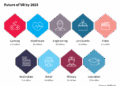
- Virtual Reality (VR): VR technology is revolutionizing remote work by enabling immersive virtual meetings, training sessions, and collaborative environments for remote teams.
- Artificial Intelligence (AI): AI-powered tools are automating repetitive tasks, enhancing data analysis, and providing valuable insights to improve decision-making processes in remote work scenarios.
- Blockchain Technology: Blockchain ensures secure and transparent transactions, data sharing, and contract management for remote teams working across different locations.
Final Review

In conclusion, the narrative of remote work and the evolution of digital lifestyle intertwines to showcase a compelling narrative of adaptability and innovation. As we navigate through the complexities of this digital era, the fusion of work and lifestyle continues to redefine the way we perceive productivity and connectivity in a rapidly evolving world.
Quick FAQs
How has remote work impacted traditional office cultures?
Remote work has revolutionized traditional office cultures by promoting flexibility, autonomy, and global collaboration, reshaping the way we view work dynamics.
What are some effective strategies for maintaining work-life balance while working remotely?
Establishing a dedicated workspace, setting boundaries, and adhering to a structured routine are key strategies for maintaining work-life balance in a remote work setup.
How can digital tools enhance communication among remote teams?
Digital tools such as Slack, Zoom, and Microsoft Teams facilitate seamless communication, real-time collaboration, and efficient project management for remote teams.