Embark on a journey into the future with a peek at the digital lifestyle trends shaping 2025. From revolutionary tech integrations to the evolving landscape of remote work, this exploration delves into how our lives will be transformed by the digital age.
Current Digital Lifestyle Trends
The digital landscape is constantly evolving, with several trends emerging that are set to shape the way we live in 2025. These trends not only impact consumer behavior and preferences but also have a significant influence on various industries such as entertainment, healthcare, and education.
Virtual Reality and Augmented Reality (VR/AR) Experiences
Virtual Reality (VR) and Augmented Reality (AR) technologies are gaining momentum, offering immersive experiences that blur the line between the physical and digital worlds. From virtual concerts and museum tours to AR-enhanced shopping experiences, these technologies are reshaping entertainment and retail industries.
Consumers are increasingly seeking out interactive and engaging experiences, driving the demand for VR/AR content.
Remote Work and Telecommuting
The shift towards remote work and telecommuting has been accelerated by the global pandemic, leading to a fundamental change in how people work and collaborate. As more individuals embrace flexible work arrangements, businesses are adapting to remote work models and investing in digital tools to support virtual teamwork.
This trend is not only influencing the way we work but also redefining work-life balance and the traditional office setup.
Personalized Health and Wellness Tech
The rise of personalized health and wellness technologies is empowering individuals to take control of their well-being. From wearable fitness trackers to telehealth services, consumers are increasingly turning to digital solutions to monitor their health and fitness goals. This trend is revolutionizing the healthcare industry by enabling remote patient monitoring, personalized treatment plans, and proactive health management.
Online Learning and Digital Education
The digital transformation of education has been accelerated by the adoption of online learning platforms and digital tools. With the increasing demand for flexible and accessible education options, traditional educational institutions are incorporating online learning modules and digital resources into their curriculum.
This trend is not only expanding learning opportunities but also fostering a culture of lifelong learning and skill development in the digital age.
E-commerce and Contactless Payments
The convenience of e-commerce platforms and contactless payment methods has transformed the way consumers shop and make transactions. With the rise of online shopping and digital payment solutions, businesses are adapting to meet the growing demand for seamless and secure online transactions.
This trend is shaping the retail industry by driving the shift towards digital storefronts and contactless shopping experiences.
Technology Integration in Daily Life
Technology has become an integral part of our daily lives, seamlessly blending into our routines and activities. From smart home devices to wearable tech, the integration of technology has transformed the way we live and interact with the world around us.
Wearable Technology
Wearable tech, such as smartwatches and fitness trackers, has revolutionized how we monitor our health and stay connected on the go. These devices allow us to track our physical activity, heart rate, sleep patterns, and even receive notifications without having to constantly check our phones.
Smart Home Devices
Smart home devices, like voice-controlled assistants and smart thermostats, have made our homes more efficient and convenient. We can now control our lights, appliances, and security systems with a simple voice command or through an app on our smartphones. This level of automation has not only enhanced our comfort but also improved energy efficiency in our homes.
Internet of Things (IoT)
The Internet of Things (IoT) has connected various devices and systems, allowing them to communicate and share data seamlessly. From smart refrigerators that can create shopping lists to connected cars that can navigate traffic in real-time, IoT has revolutionized how we interact with our surroundings and made our lives more streamlined and efficient.
Advancements in AI and Automation
Advancements in artificial intelligence (AI) and automation have further enhanced convenience and efficiency in our daily tasks. AI-powered virtual assistants can now schedule appointments, answer queries, and even predict our preferences based on past behavior. Automation in industries like manufacturing and transportation has increased productivity and accuracy while reducing human error.
Remote Work and Digital Nomadism
The rise of remote work and digital nomadism is reshaping the way we view traditional work environments and lifestyles. With advancements in technology, more people are opting for flexible work arrangements that allow them to work from anywhere in the world.
Impact of Remote Work
Remote work has revolutionized the traditional office setup by enabling employees to work from the comfort of their homes or any location of their choosing. This has led to increased productivity, reduced commuting stress, and improved work-life balance for many individuals.
Rise of Digital Nomadism
Digital nomadism is on the rise as more people embrace the freedom and flexibility of working while traveling. This lifestyle choice allows individuals to explore new cultures, experiences, and locations while still earning a living. The rise of co-working spaces and digital communities has made it easier for digital nomads to connect and collaborate with like-minded individuals worldwide.
Challenges and Benefits of Remote Work
- Challenges:
- Isolation and lack of social interaction.
- Difficulty in setting boundaries between work and personal life.
- Reliance on technology for communication and collaboration.
- Benefits:
- Increased flexibility and autonomy in managing work schedules.
- Cost savings on commuting, office attire, and meals.
- Access to a global talent pool for employers.
Virtual Social Interactions
Virtual social interactions have become increasingly prevalent in today's digital age, with people turning to social media platforms and online communities to connect with others. The rise of virtual reality (VR) and augmented reality (AR) technologies has further revolutionized the way we socialize, offering immersive experiences that bridge the gap between physical and digital interactions
These advancements have opened up a world of possibilities for innovative ways people can connect digitally, transcending geographical boundaries and time zones.
The Impact of Virtual Reality and Augmented Reality
The integration of VR and AR technologies has transformed the landscape of socializing in the digital age. Virtual reality allows users to interact in simulated environments, creating a sense of presence and immersion that traditional communication methods cannot replicate. Augmented reality, on the other hand, overlays digital content onto the real world, enhancing social interactions by blending virtual elements with physical surroundings.
These technologies have redefined how we engage with others online, offering unique and interactive experiences that bring people closer together.
- Virtual Events: With the rise of VR and AR, virtual events have become increasingly popular, allowing people to attend concerts, conferences, and social gatherings from the comfort of their own homes. These immersive experiences enable individuals to connect with others in a more engaging and interactive way, fostering a sense of community and togetherness.
- Virtual Hangouts: Platforms like Spatial and AltspaceVR enable users to socialize in virtual environments, engaging in activities such as games, discussions, and collaborative projects. These virtual hangouts provide a space for people to interact in a more casual and informal setting, fostering relationships and connections in a digital realm.
- Augmented Reality Filters: Social media platforms like Snapchat and Instagram offer AR filters that allow users to enhance their photos and videos with digital effects. These filters not only add a fun and creative element to social interactions but also enable individuals to express themselves in new and innovative ways, sparking conversations and interactions with others.
Health and Wellness Tech Trends
Technology is rapidly transforming the landscape of health and wellness, introducing innovative solutions that are revolutionizing the way we approach healthcare and fitness. From wearable devices to virtual consultations, these trends are shaping the future of well-being.
Emerging Trends in Health and Wellness Technology
- Wearable Health Trackers: Devices like smartwatches and fitness bands are becoming increasingly popular for monitoring vital signs, physical activity, and sleep patterns.
- Personalized Health Apps: There is a rise in the development of apps that provide personalized fitness routines, nutrition plans, and mental health support based on individual data and goals.
- Telemedicine and Virtual Consultations: The adoption of telehealth services has surged, allowing patients to connect with healthcare professionals remotely for diagnosis, treatment, and monitoring.
- AI-Powered Healthcare: Artificial intelligence is being utilized to analyze large amounts of medical data, improve diagnostics, and personalize treatment plans for patients.
Digital Tools and Apps Revolutionizing Healthcare
- Remote Patient Monitoring: Patients can now use connected devices to track their health at home and share real-time data with healthcare providers for proactive management of chronic conditions.
- Mobile Health Solutions: Mobile apps are empowering individuals to take control of their health by offering features like symptom checkers, medication reminders, and virtual consultations.
- Mental Health Support: Digital platforms are providing accessible mental health resources, such as therapy apps, mindfulness tools, and online support groups, to address the growing need for emotional well-being.
Impact of Telemedicine and Virtual Health Consultations
- Improved Access to Care: Telemedicine eliminates geographical barriers and improves access to healthcare services for individuals in remote areas or with limited mobility.
- Convenience and Efficiency: Virtual consultations save time and reduce the need for in-person visits, making healthcare more convenient and efficient for both patients and providers.
- Quality of Patient Care: Telehealth tools enable continuous monitoring, early intervention, and personalized care plans, ultimately enhancing the quality of patient care and outcomes.
E-commerce Evolution and Digital Payments
The evolution of e-commerce platforms and digital payments has revolutionized the way we shop and pay for goods and services online. With advancements in technology, the retail industry has undergone significant changes to meet the demands of modern consumers.
Role of Digital Payments
Digital payments have played a crucial role in shaping the future of retail by providing a convenient and secure way for consumers to make transactions online. The adoption of digital wallets, mobile payment apps, and contactless payment methods has made it easier for customers to shop from the comfort of their homes.
Additionally, the rise of cryptocurrencies and blockchain technology has introduced new possibilities for secure and decentralized transactions in the e-commerce space.
Evolution of E-commerce Platforms
E-commerce platforms have evolved to offer personalized shopping experiences through AI-driven recommendations and targeted marketing strategies. The use of data analytics and machine learning algorithms has enabled retailers to understand consumer behavior better and tailor their offerings to individual preferences.
This personalization not only enhances the shopping experience but also increases customer loyalty and satisfaction.
Impact of Personalized Shopping Experiences
Personalized shopping experiences have transformed the way consumers interact with brands online. By analyzing customer data and shopping patterns, retailers can create customized product recommendations, discounts, and promotions that resonate with individual shoppers. This targeted approach not only increases sales but also fosters a deeper connection between the brand and the customer.
Final Thoughts
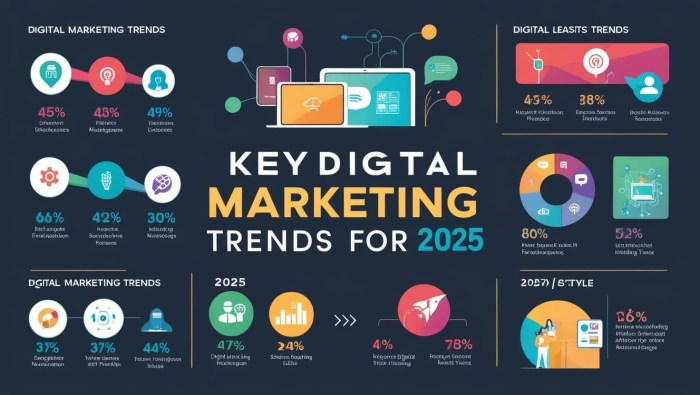
As we conclude our discussion on digital lifestyle trends shaping 2025, it's evident that the future holds a myriad of possibilities. Embracing these trends will undoubtedly redefine the way we live, work, and interact in the digital realm.
Query Resolution
How will digital lifestyle trends in 2025 impact healthcare?
Digital lifestyle trends in 2025 will revolutionize healthcare by introducing telemedicine, personalized health apps, and virtual consultations, enhancing patient care and accessibility.
What role do wearable tech and IoT play in shaping the digital lifestyle?
Wearable tech and IoT seamlessly integrate technology into daily activities, offering convenience and efficiency by connecting devices to enhance our lifestyles.
How are virtual social interactions changing in the digital age?
Virtual social interactions through social media and AR/VR are reshaping how people connect online, leading to innovative ways of communication and engagement.
What are the emerging trends in e-commerce for 2025?
E-commerce in 2025 will see advancements in personalized shopping experiences, digital payments, and AI-driven recommendations, transforming the online retail landscape.
![Top Must-Have Smart Home IoT Devices [2024 Curated]](https://digital.harianhaluan.com/wp-content/uploads/2025/10/smart_home_device_selection-75x75.jpg)